For any general or subscription enquiries, please get in touch via email [email protected]

On-demand CPD and best practice training hub for health, safety and wellbeing professionals and fire safety professionals. Enhance your professional development, stay up-to-date with compliance issues, reduce risk, save money, and learn anytime, anywhere.
Subscription costs from just £25 per month with a minimum 12-month commitment.



 60 min 48 sec
 Health & Safety
Every day, hiring organisations rely on contractor assessments and prequalification audits to verify that contractors meet the standards required to work on site safely and compliantly. That process depends on documents such as insurance certificates, risk assessments, training records and competency evidence. But what happens when those documents aren't what they appear to be.If a fraudulent document entered your supply chain tomorrow, would your organisation spot it?Join this exclusive fireside chat with Ben Coak, Technical Standards Manager at SafeContractor and former HSE Inspector, as we explore the growing challenge of fraudulent contractor documentation and what it means for organisations responsible for contractor oversight. Between 2021 and 2025, SafeContractor identified an almost 400% increase in fraudulent documents submitted through its assessment process.As part of the session, attendees will take part in The Fraud Test, an interactive exercise based on anonymised real-world scenarios where pre-qualification documents have been purposely falsified. Through live audience polling, you'll be asked a simple question: Would you approve this contractor?Together, we'll examine a series of contractor documents, uncover the warning signs that were missed, and explore whether your current processes would identify the same risks.You'll learn:Why fraudulent contractor documentation is becoming harder to detectThe risks and liabilities fraudulent documents can create for hiring organisationsPractical ways to strengthen confidence in your contractor assurance processJoin us on 10 September at 10:30am to put your processes to the test and hear expert insight from the front line of contractor compliance.
 70 min 22 sec
Fire Safety
70 min 22 sec
Fire Safety
Sustainability in fire safety is moving beyond policies and commitments into measurable product data, procurement requirements and regulatory expectations. This session explores how EPDs, LCAs and ESG-ready product information are transforming decision-making across the built environment. Attendees will learn what is changing, why it matters, and how early action can create competitive advantage while supporting both fire safety and sustainability objectives.
 62 min 6 sec
Health & Safety
62 min 6 sec
Health & Safety
his session combines real-world perspective with a live walkthrough of HSI Donesafe EHS system, from capturing information in the field to analysing it at a management level.Together with our Product specialist and EHS specialist, we’ll explore how mobile tools, connected workflows, and real-time data can help reduce administrative effort, improve oversight, and support more informed decision-making.You’ll see how incidents, audits, inspections, and observations can be captured from anywhere, and follow a real example of incident management from initial report through to investigation and close-out. We’ll also look at how bringing data together across your operations provides a clearer picture of EHS performance, while automation helps ensure actions are tracked and completed.Whether you're looking to streamline reporting, reduce risk, or improve EHS oversight, this session offers practical insight into how modern EHS management works in practice.What you’ll learn:How to improve EHS visibility and make more informed decisionsGain a clearer, organisation-wide view of performance and risk through better access to connected data.How to manage incidents more effectively and reduce risk exposureSee a structured, end-to-end approach that improves consistency, accountability, and outcomes.How to reduce admin and free up time for higher-value workStreamline processes, speed up reporting, and ensure actions are followed through to completion.
 63 min 13 sec
Health & Safety
63 min 13 sec
Health & Safety
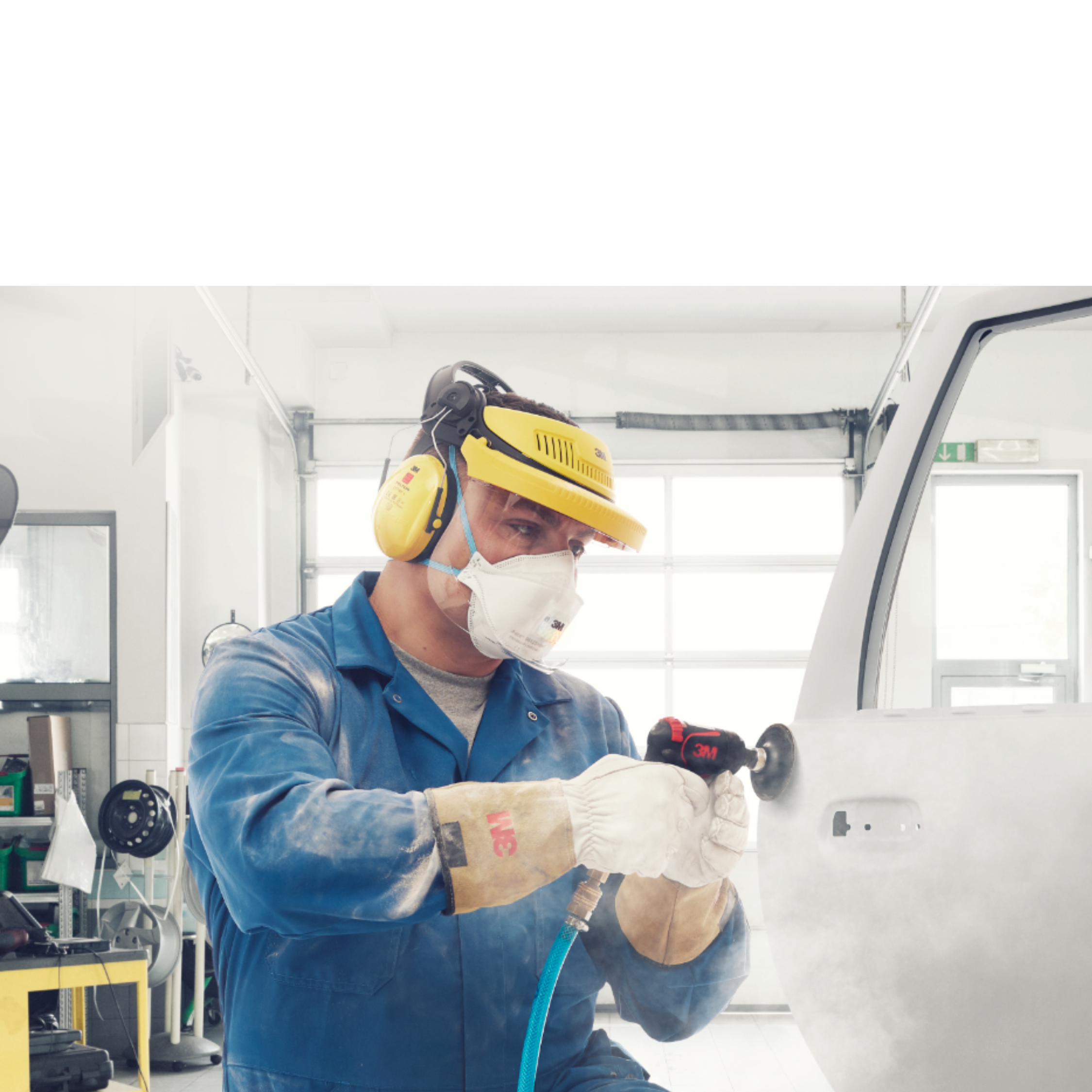
It’s been 15 years since the Clean Air? Take Care! initiative was launched. The collaboration between the British Safety Industry Federation (BSiF), Health and Safety Executive (HSE) and leading industry stakeholders focuses on the reduction of occupational respiratory diseases by the education of employers, managers and employees on the correct selection, use, care and maintenance of respiratory protective equipment (RPE), as well as covering legal obligations. Following two years of detailed work by the BSiF Respiratory Special Interest Group, the significantly improved campaign will be relaunched on the 1st July. Please join us as part of the relaunch of this initiative where you will be guided through the updated topic areas with useful links to available resources.
 9 min 58 sec
Fire Safety
9 min 58 sec
Fire Safety
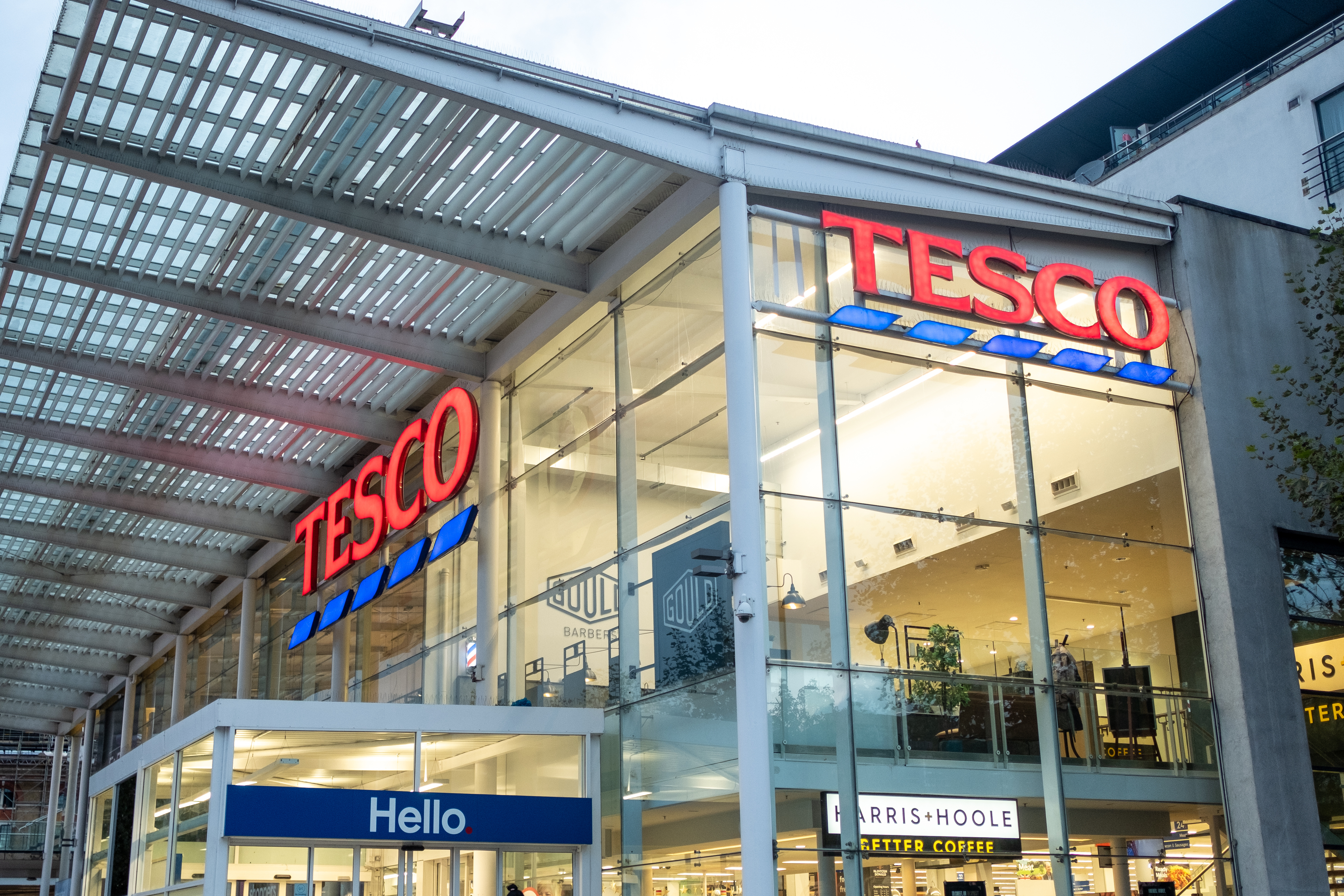
This session was delivered at FSM Live Coventry in July 2026. Tesco's retail fire risk management focuses on proactively identifying fire hazards, reducing ignition risks, and maintaining robust prevention controls across stores, warehouses, and offices.It combines regular fire risk assessments, colleague training, strict compliance with fire safety legislation, and the maintenance of fire detection, alarm, and suppression systems.
 28 min 37 sec
Fire Safety
28 min 37 sec
Fire Safety
Specialist Fire Safety lawyer James Muller explores 2025's failed prosecution in relation to a fire that destroyed the 132-home Beechmere extra care complex in August 2019, including key take-aways and top tips for fire safety professionals and anyone facing enforcement action.


